


PCR Tires: Types, Sizes, Applications, Price & Buying Guide
PCR tires, or Passenger Car Radial tires, are designed for passenger vehicles such as sedans, hatchbacks, SUVs, and other light-duty vehicles. They are widely used for daily commuting, highway driving, urban transportation, and long-distance travel because of their balance of safety, comfort, handling, mileage, and fuel efficiency.
For distributors, wholesalers, fleet operators, and tire retailers, choosing the right PCR tire requires more than comparing brands or prices. Tire type, size, load capacity, speed rating, tread pattern, road conditions, climate, quality standards, and supplier capabilities all affect the final purchasing decision.
This complete guide explains the major aspects of PCR tires, from basic types and specifications to wholesale purchasing and sourcing from China.
1.What Are PCR Tires?
PCR stands for Passenger Car Radial. PCR tires are radial tires primarily designed for passenger vehicles. Compared with traditional bias tires, radial construction provides advantages such as better driving stability, lower rolling resistance, improved mileage, and a more comfortable driving experience.
PCR tires are commonly used on:
Passenger cars
Sedans
Hatchbacks
SUVs
Crossovers
Some light-duty vehicles
The performance of a PCR tire depends on its construction, rubber compound, tread design, internal materials, and manufacturing process.
For buyers, understanding the basic structure of PCR tires is important because different tire designs are developed for different driving environments. A tire optimized for highway driving may have different characteristics from one designed for urban roads, wet climates, or winter conditions.
When evaluating a PCR tire, buyers should consider not only the product specification but also its intended application, available sizes, performance characteristics, and quality certifications.
2. PCR Tire Types: Summer, Winter & All-Season
PCR tires can be categorized according to climate and driving conditions. The three common categories are summer tires, winter tires, and all-season tires.
Summer PCR Tires
Summer tires are designed for warm-weather conditions. Their tread compounds and patterns are optimized for dry and wet road performance at relatively higher temperatures.
They are commonly selected for:
Warm climates
Dry roads
Wet summer conditions
Highway driving
Performance-oriented passenger vehicles
Winter PCR Tires
Winter PCR tires are designed for low-temperature conditions. Their rubber compounds remain more flexible in cold weather, while specialized tread patterns help improve traction on snow, ice, and cold roads.
They are generally suitable for markets with:
Low winter temperatures
Snow
Ice
Frequent freezing conditions
All-Season PCR Tires
All-season PCR tires are designed to provide balanced performance across a wider range of weather conditions. They are often preferred in regions where winters are relatively mild and drivers do not regularly encounter severe snow or ice.
Choosing among these tire types should depend on the climate, road conditions, vehicle requirements, and expected driving pattern.
3. PCR Tire Sizes: Complete Size Guide
Tire size is one of the most important specifications when purchasing PCR tires. A typical tire marking may look like:
205/55R16 91V
Each part provides important information.
205 – Tire width in millimeters
55 – Aspect ratio
R – Radial construction
16 – Rim diameter in inches
91 – Load index
V – Speed rating
For wholesalers and distributors, available sizes can significantly affect purchasing decisions. Popular sizes generally have broader applications and may be easier to distribute across different markets.
Common PCR tire sizes include various combinations of:
13-inch
14-inch
15-inch
16-inch
17-inch
18-inch
19-inch
20-inch and larger
However, buyers should never select a tire based only on popularity. The correct tire size must match the vehicle manufacturer's specifications and the recommended wheel dimensions.
A complete PCR tire size strategy is particularly important for distributors because market demand can vary significantly by vehicle type and region.
4. PCR Tire Load Index and Speed Rating Guide
The load index and speed rating are two critical specifications printed on a tire sidewall.
The load index indicates the maximum load a properly inflated tire can support under specified conditions. A higher load index generally means greater load-carrying capability, although the exact capacity must be checked against the applicable tire specification.
The speed rating indicates the maximum speed capability of the tire under specified testing conditions.
Common speed ratings include:
T
H
V
W
Y
For example, a tire marked 205/55R16 91V has a load index of 91 and a V speed rating.
When purchasing PCR tires, buyers should ensure that the selected load index and speed rating are appropriate for the vehicle. Using a tire with unsuitable specifications can negatively affect handling, safety, and tire performance.
For wholesale buyers, understanding these markings also helps when creating product catalogs and matching different tire specifications with customer requirements.
5. PCR Tire Tread Patterns Explained
Tread pattern is another major factor influencing PCR tire performance.
Common tread pattern designs include:
Symmetrical Tread Patterns
Symmetrical tread patterns use similar designs across the tread. They can provide predictable handling, stable wear characteristics, and flexible installation options.
Asymmetrical Tread Patterns
Asymmetrical designs use different tread patterns across the inner and outer sections of the tire. They can be engineered to balance wet grip, cornering stability, comfort, and dry-road handling.
Directional Tread Patterns
Directional tires are designed to rotate in a specific direction. Their tread geometry can help channel water away from the contact area and improve wet-road performance.
Tread design can influence:
Wet grip
Dry handling
Road noise
Ride comfort
Braking performance
Hydroplaning resistance
Tread life
Rolling resistance
Therefore, buyers should evaluate tread patterns according to the target market and intended application instead of assuming that one tread design is suitable for every vehicle.
6. Winter vs All-Season PCR Tires
Winter and all-season PCR tires are often compared by buyers operating in regions with changing seasonal conditions.
Winter tires are generally designed for colder environments and severe winter conditions. Their compounds and tread structures are optimized for maintaining traction at low temperatures.
All-season tires provide a compromise between different conditions. They can be a practical option where temperatures vary throughout the year but severe snow and ice are uncommon.
The choice depends mainly on:
For distributors, regional demand should also be considered. Markets with harsh winters may require dedicated winter products, while warmer markets may have stronger demand for summer or all-season PCR tires.
7. How to Choose PCR Tires for Different Road Conditions
The right PCR tire depends heavily on where and how the vehicle is driven.
Urban Roads
Urban driving involves frequent braking, acceleration, turning, and stop-and-go traffic. Buyers may prioritize comfort, braking performance, mileage, and low road noise.
Highway Driving
Highway users typically require good straight-line stability, long tread life, low rolling resistance, and consistent performance at sustained speeds.
Wet Roads
In regions with frequent rainfall, tread drainage and wet grip become particularly important. Suitable tread patterns can help reduce the risk of hydroplaning.
Rough Roads
For roads with potholes, uneven surfaces, or poor pavement quality, buyers should pay attention to tire construction, sidewall characteristics, load capacity, and durability.
Mixed Road Conditions
Vehicles operating across urban roads, highways, and secondary roads require a balanced tire design rather than a product optimized for only one environment.
For commercial buyers, identifying the dominant road conditions in the target market can help determine which PCR tire models and specifications should be stocked.
8. PCR Tire Price: What Affects the Cost?
PCR tire prices can vary considerably between products and suppliers. The lowest unit price is not always the most economical purchasing option because tire performance, service life, logistics, and warranty conditions can affect the total cost of ownership.
Important factors affecting PCR tire prices include:
Tire size
Tire construction
Rubber compound
Tread design
Raw material costs
Production technology
Quality requirements
Certifications
Brand positioning
Order quantity
Packaging
Shipping costs
Destination market requirements
For wholesale buyers, larger order quantities may provide more competitive pricing, but buyers should evaluate MOQ, production lead time, payment terms, shipping arrangements, and after-sales support together with the quoted tire price.
A professional supplier should be able to provide a clear quotation based on tire size, specification, quantity, destination, and applicable trade terms.
9. PCR Tire Wholesale Buying Guide
Wholesale PCR tire purchasing requires a different approach from buying tires for personal use.
Distributors and wholesalers should evaluate several factors before placing an order.
Product Range
A supplier should offer sufficient sizes and patterns to meet the requirements of the target market.
Minimum Order Quantity
MOQ can affect inventory investment and shipping efficiency. Buyers should confirm whether the supplier can support their required order volume.
Product Consistency
For long-term distribution, consistent product specifications and manufacturing quality are essential.
Production Capacity
Large distributors should evaluate whether the manufacturer can maintain stable production and delivery schedules.
Packaging and Loading
Proper packaging and container loading can help reduce damage during international transportation.
After-Sales Support
Warranty policies, technical support, documentation, and communication are important for long-term cooperation.
Wholesale buyers should therefore compare suppliers based on total value rather than unit price alone.
10. How to Choose a PCR Tire Manufacturer
Selecting the right PCR tire manufacturer is one of the most important decisions for importers and distributors.
A reliable manufacturer should demonstrate capabilities in several areas.
Manufacturing Experience
Look for manufacturers with established production experience and a clear manufacturing history.
Production Capacity
Factory capacity should match your expected purchasing volume and delivery schedule.
Quality Control
Ask about raw material inspection, production controls, finished tire inspection, and product testing.
Certifications
Confirm whether the manufacturer has the certifications required for your target market.
Product Development
Manufacturers with professional engineering and R&D capabilities may be better positioned to develop products for different market requirements.
Export Experience
International export experience can simplify documentation, logistics, packaging, and communication.
OEM and Customization
If you operate your own tire brand, check whether the manufacturer can provide OEM or private-label services.
Before choosing a PCR tire manufacturer, buyers should request product specifications, certifications, factory information, samples where appropriate, and commercial terms.
11. How to Import PCR Tires From China
China is an important manufacturing base for tires, and international buyers can source PCR tires directly from Chinese manufacturers and exporters.
The basic import process generally includes:
Market Research → Supplier Selection → Product Specification → Quotation → Sample Evaluation → Order Confirmation → Production → Quality Inspection → Shipping → Customs Clearance → Delivery
Before placing an order, buyers should confirm:
Tire sizes
Tread patterns
Load and speed ratings
Quantity
Packaging requirements
Certifications
Production lead time
Payment terms
Incoterms
Shipping port
Required import documents
Importers should also check the specific regulations and certification requirements of their destination country before purchasing.
Working directly with an experienced manufacturer can simplify communication and provide better control over product specifications, production schedules, and quality requirements.
12. PCR Tire Quality Standards and Certifications
PCR tire quality is not determined by appearance alone. Professional manufacturers need to control materials, construction, dimensions, performance, and finished-product quality throughout the manufacturing process.
Depending on the target market, different regulatory or certification requirements may apply.
Examples of important tire-related standards and certifications include:
DOT requirements for the U.S. market
ECE requirements for applicable European and international markets
E-mark certification where required
IATF 16949 for automotive quality management
ISO-related quality management systems
Local market testing and labeling requirements
Buyers should distinguish between factory management certifications and product-specific regulatory requirements. A factory may have a recognized quality management system, while individual tire products may still need to meet additional market-specific requirements.
Before importing PCR tires, always confirm the latest applicable requirements for the destination market.
How to Choose the Right PCR Tire Supplier
After understanding tire types, sizes, ratings, tread patterns, applications, pricing, and certifications, buyers can evaluate suppliers more effectively.
A suitable PCR tire supplier should ideally provide:
A complete PCR tire product range
Stable manufacturing capacity
Consistent product quality
International certifications
Professional technical support
Competitive wholesale pricing
Reliable production lead times
Export experience
OEM/private-label capabilities where required
Responsive after-sales service
For distributors and importers, the best supplier is not necessarily the one offering the lowest initial quotation. A reliable long-term supplier should provide a combination of quality, consistency, competitive pricing, delivery reliability, technical support, and market compliance.
PCR Tire Manufacturer and Wholesale Supplier
Xinkunyu focuses on tire manufacturing and international supply, with product categories covering PCR tires, TBR tires, and OTR tires.
For buyers looking for passenger car tires for distribution, wholesale, or international markets, evaluating the available sizes, tread patterns, performance requirements, certifications, and commercial terms is an important first step.
Whether you are sourcing standard PCR tires, building a wholesale product portfolio, or developing an OEM/private-label tire program, selecting the right manufacturer can have a significant impact on product quality, purchasing cost, and long-term business performance.
Contact Xinkunyu to discuss PCR tire specifications, available sizes, wholesale requirements, and sourcing solutions for your target market.
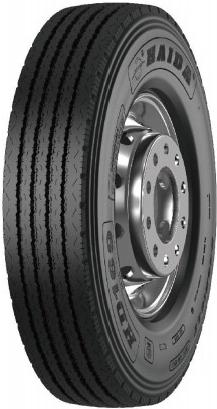
 HD169Design of four consistent grooves and slant-edge pattern provide outstanding drainage and grip performance;
Widened tread to improves tire’s abrasion resistance and longer tire mileage;
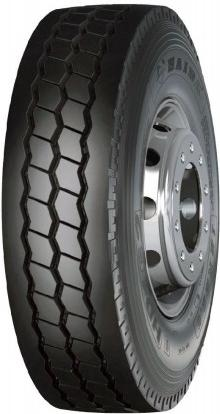
Design of unique sipes helps to tire’s heating dissipation and suitability for different wheels positions. HD162Concise three longitudinal grooves and oblique grooves in the middle of pattern bolck is not only suitable for steering wheel positions but also for different wheels positions;
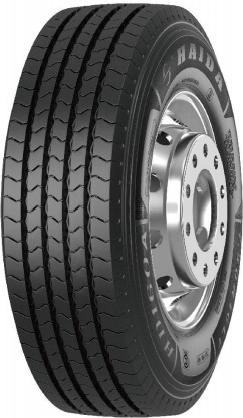
Design of big pattern block in the middle of tread provides good abrasion resistance. HD160AFour consecutive main grooves and three auxiliary fine grooves provide outstanding drainage and grip performance;
Design of pattern block with V type grooves provide better steering and driving performance.
Chat Online