


PCR Tire Tread Patterns Explained
PCR Tire Tread Patterns Explained
Understanding PCR tire tread patterns is essential when selecting tires for passenger cars, crossovers, and light-duty vehicles. A tread design is not merely a visual feature: it determines how the tire evacuates water, distributes contact pressure, manages heat, responds in corners, and wears over time. The right pattern is therefore a balance, not a universal answer. A tire that feels stable and quiet on long paved-road journeys may not be the best choice for frequent rain, cold weather, or aggressive urban driving.
For distributors and buyers, reading a tread pattern correctly also helps avoid a common purchasing mistake: comparing tires only by size, price, or overall appearance. Two PCR tires can share the same nominal dimensions while being designed for very different road conditions and user expectations.
What a Passenger Car Tire Tread Actually Does
PCR usually refers to passenger car radial tires. Their tread is the engineered rubber layer that contacts the road, made up of ribs, blocks, grooves, sipes, shoulders, and smaller channels. Together, these features must maintain a stable contact patch while allowing water, heat, and road debris to move away from the surface.
The main grooves, often running around the circumference, are especially important on wet roads. They provide routes for water to leave the footprint. Lateral grooves and smaller channels support this process, while tread blocks and shoulder elements influence braking, steering response, and cornering stability. Sipes—fine cuts in tread blocks—can create additional biting edges on wet, cold, or lightly snow-covered surfaces, although more siping may also reduce block rigidity if the design is not properly balanced.
Tread compound matters just as much as the visible pattern. A deep, aggressive-looking design does not automatically provide better grip or longer life. The compound, casing construction, intended speed range, inflation pressure, alignment condition, and operating temperature all affect actual performance.
The Three Main PCR Tire Tread Pattern Types
Symmetrical tread patterns
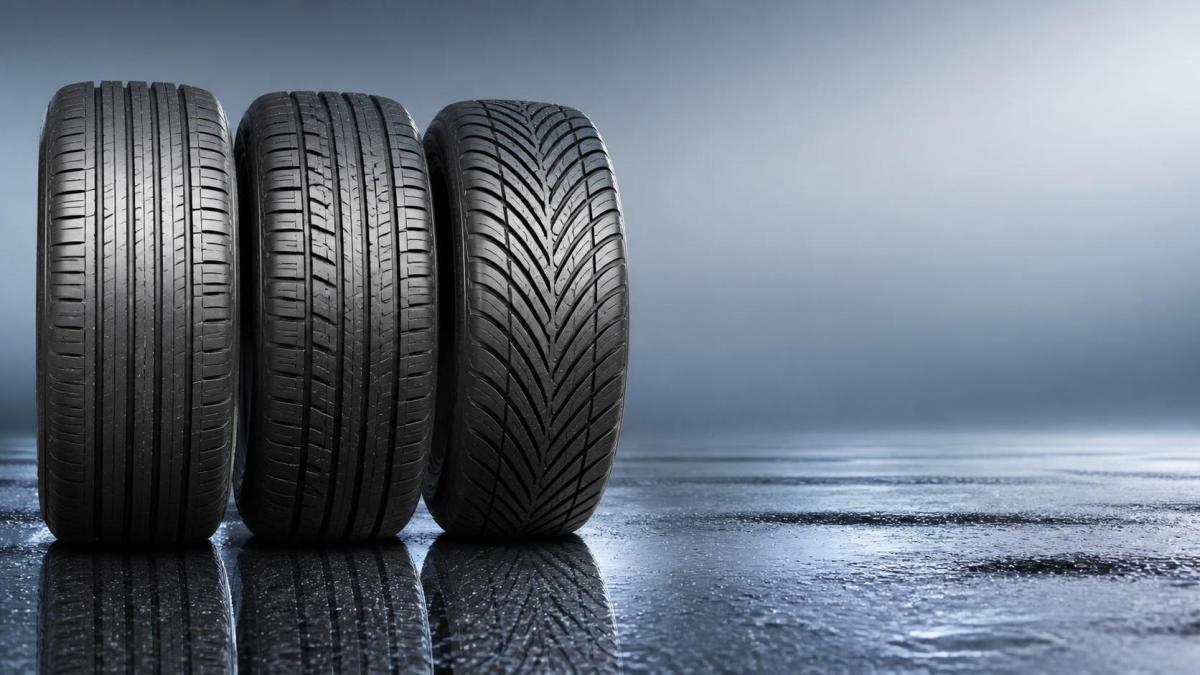
A symmetrical pattern has a similar layout across the full tread width. It is common in touring and everyday passenger car tires because it can provide predictable handling, straightforward rotation options, and a generally smooth ride. Continuous ribs may help directional stability, while evenly spaced blocks can control noise and encourage uniform wear.
This design is often practical for vehicles used mainly on paved urban and highway routes. Its limitation is that it may not deliver the same highly focused wet-weather or high-speed cornering behavior as more specialized asymmetrical or directional designs. That is not a defect; it reflects the tire’s intended compromise between comfort, mileage, and all-round drivability.
Asymmetrical tread patterns
An asymmetrical tread pattern uses different zones across the tire. The outer shoulder is commonly designed for cornering support and dry-road stability, while the inner zone may contain more channels or grooves for water drainage. This lets tire engineers assign separate jobs to different parts of the tread rather than asking every block to do the same work.
These tires are frequently seen in performance-oriented passenger car applications and in tires intended to maintain composed handling across changing road surfaces. Correct mounting is critical. Tires marked “Outside” and “Inside” must be installed with the designated side facing outward; reversing them can reduce the intended handling and drainage characteristics.
Directional tread patterns
Directional tires have a tread layout designed to roll in one direction, often recognized by V-shaped or arrow-like grooves. Their primary strength is usually water evacuation. As the tire rotates, the angled channels direct water away from the contact area, helping the tire resist the loss of road contact that can occur in standing water.
Directional patterns can be a sensible option in consistently wet conditions or for drivers who place a high priority on rain performance. The trade-off is service flexibility. Rotation is generally limited to front-to-rear movement on the same side unless the tire is remounted. Installers must also follow the rotation arrow on the sidewall.
How Pattern Details Change Road Behavior
When comparing PCR tire tread patterns, look beyond the broad category. Small design decisions can make a meaningful difference:
- Wide circumferential grooves usually support wet-road drainage, but their performance depends on groove shape, depth, and the rest of the tread structure.
- Solid shoulder blocks can improve cornering support and steering precision, though an overly rigid shoulder may be less forgiving on rough roads.
- High block density and siping can create more edges for wet or winter-oriented traction, but may affect noise and tread movement.
- Variable pitch arrangements are used in many designs to reduce the repeating sound frequencies that drivers perceive as road noise.
- Open shoulder channels may help clear water and heat, while more closed shoulder designs often prioritize stable dry-road handling.
No pattern feature should be assessed in isolation. For example, a tire with large drainage grooves can still wear poorly if it is operated underinflated, fitted to a vehicle with poor wheel alignment, or used in a load and speed range outside its intended application.
Selecting a Tread Pattern by Operating Conditions
A practical selection process starts with where the vehicle spends most of its time, not with the most aggressive-looking pattern in a catalog. For ordinary commuting and long-distance paved-road use, a symmetrical touring pattern may offer the most sensible blend of comfort, stable wear, and low noise. In regions with frequent rainfall, deeper circumferential channels and well-designed lateral drainage deserve closer attention. For vehicles driven enthusiastically or carrying higher cornering loads, an asymmetrical pattern may provide the steering support buyers expect.
Seasonal conditions need separate consideration. All-season tires are designed as compromises across a range of temperatures and road conditions; they should not be assumed to replace a winter-specific product wherever prolonged snow, ice, or very low temperatures are normal. Local regulations, vehicle requirements, and the tire’s actual markings should be checked before making that decision.
For distributors, market segmentation is often more useful than offering one tread pattern across every passenger car category. Compact-car owners may prioritize value, quietness, and predictable mileage. SUV and crossover owners may focus more on wet stability, load capability, or occasional mixed-surface use. Premium sedan customers may be more sensitive to noise, ride quality, and high-speed confidence.
Reading Wear Patterns Before Replacing the Tire
Wear marks often reveal more about the vehicle or maintenance routine than about the tread pattern itself. Center wear can be associated with excessive inflation pressure, while wear concentrated at both shoulders may point to insufficient pressure. Feathering across tread blocks can indicate alignment or suspension issues. Cupping or irregular scalloping may require inspection of balancing, shock absorbers, or other vehicle components.
Replacing a worn tire with a different pattern without correcting the underlying cause can repeat the same problem. Fleet operators and service partners should record wear observations, rotation intervals, inflation practices, and typical routes. That information creates a more reliable basis for the next tire selection than visual preference alone.
Why Tread Design Knowledge Matters Beyond PCR
The same engineering logic extends into commercial tire categories, even though the operating demands are different. A passenger tire may prioritize comfort and wet braking, while a truck and bus radial tire must also manage heavier loads, longer operating cycles, heat, and road debris. In both cases, tread width, void ratio, groove geometry, and rubber formulation are linked to the intended duty cycle.
For example, the HD998 is a TBR tire design with a 300 mm section width, 1,085 mm overall diameter, and 17.0 mm tread depth in its listed 12R22.5 specification. Its wider tread uses a high-saturation layout and wear-resistant tread formula, while an S-curve groove-bottom design is intended to support self-cleaning. It is a different application from PCR tires, but it illustrates a useful principle: the best pattern is shaped by actual service conditions, not by a generic idea of what “more tread” should look like.
Jinan Xinkunyu International Trading Co., Ltd., founded in 2001 and formerly known as Jinan Kunyu, produces high-performance semi-steel radial tires, truck tires, and special tires. With a 360,000-square-meter operation, more than 1,000 employees, and 180 engineering and technical personnel, the company works across tire categories where tread design must be matched carefully to road, vehicle, and delivery requirements. Its dedicated logistics lines also support distribution across China and many markets in Europe and Asia.
A Better Way to Compare PCR Tires
Before finalizing a PCR tire choice, compare the full application picture: vehicle type, tire size, load and speed requirements, road surface, rainfall and temperature conditions, annual mileage, rotation practices, and customer expectations around noise or handling. Then inspect whether the tread design and sidewall markings support that use.
A tread pattern should never be judged only by its visual complexity. The useful question is simpler: does this design make sense for the roads, weather, vehicle, and maintenance conditions it will actually face? When that answer is clear, the selection becomes more defensible for drivers, distributors, and fleet buyers alike.
Chat Online