


How to Choose a PCR Tire Manufacturer
How to Choose a PCR Tire Manufacturer
Choosing the right PCR tire manufacturer is essential for building a reliable product portfolio, controlling costs, and meeting diverse market demands. From production capacity and technical expertise to quality standards, logistics support, and tire performance, every factor affects your purchasing decision. This guide explains how to evaluate a PCR tire manufacturer and identify a dependable partner for high-performance passenger car radial tires.
The best supplier is not simply the factory offering the lowest quotation. It is the manufacturer that can consistently deliver compliant, marketable tires with predictable quality, workable lead times, and responsive commercial support.
For importers, wholesalers, distributors, and private-label buyers, the decision should begin with customer demand. Clarify which vehicle segments, road conditions, price levels, and regulations matter most in your target market.
Start With the Tire Portfolio Your Market Actually Needs
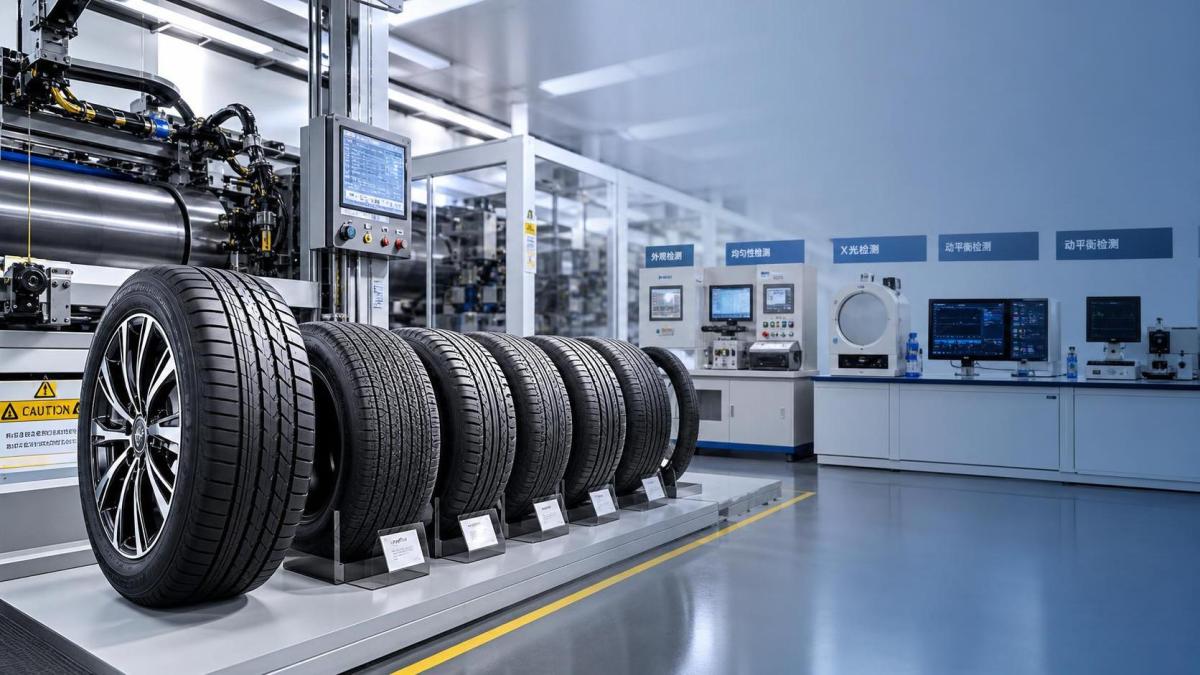
PCR tires, or passenger car radial tires, cover a broad range of applications. A capable PCR tire manufacturer should offer products for sedans, SUVs, crossovers, performance vehicles, and, where relevant, light commercial vehicles.
Do not evaluate a catalog by the total number of patterns alone. Check whether the supplier offers the sizes, load indexes, speed ratings, tread designs, and seasonal options that your customers repeatedly request.
A balanced portfolio usually includes touring tires, comfort-focused products, high-performance patterns, SUV tires, all-season tires, and winter options. The correct mix depends on climate, road quality, local vehicle ownership, and retail positioning.
Ask for a current size matrix rather than relying on a website listing. Manufacturers may show patterns that are discontinued, limited to domestic sales, or available only under specific minimum order quantities.
It is also useful to compare the supplier’s product range with your current sales data. Identify fast-moving sizes, profitable sizes, and slow-moving stock before committing to a broader purchasing program.
A manufacturer should be able to explain where each pattern fits in the market. Clear positioning helps distributors avoid internal product overlap and gives dealers practical reasons to recommend one tire over another.
Verify Manufacturing Capability Beyond the Factory Tour
Factory scale matters, but it is not a complete quality indicator. Production capacity should be matched with process control, equipment condition, workforce skills, engineering resources, and the ability to maintain stable output.
Ask how many PCR tires the manufacturer produces annually, how much capacity is currently utilized, and whether export orders are produced on dedicated lines or mixed with domestic production schedules.
A highly utilized factory may signal strong demand, but it can also create delivery risks. Confirm how the supplier manages peak seasons, material shortages, production changes, and urgent replenishment orders.
Review the main production stages: rubber mixing, calendaring, bead preparation, component building, tire building, curing, inspection, and final testing. Consistency across these stages is more valuable than impressive marketing language.
Engineering capability deserves particular attention. Manufacturers with experienced technical personnel can better manage tread compound changes, casing design, pattern refinement, and product adaptation for regional operating conditions.
Jinan Xinkunyu International Trading Co., Ltd., founded in 2001, combines tire production experience with established logistics capability. Its technical team and export-oriented delivery network can be relevant when buyers need dependable regional supply.
Assess Tire Quality Through Evidence, Not Claims
Every tire supplier describes its products as durable, safe, and high-performing. Procurement teams should request documented evidence before treating those claims as part of a purchasing decision.
Begin with quality-management certifications and applicable market approvals. Depending on your destination, this may include ECE marking, DOT requirements, GCC conformity, INMETRO registration, SONCAP documentation, or other local compliance processes.
Confirm that certificates apply to the actual factory, tire category, and relevant sizes. A generic certificate may not cover every product offered in a quotation or every destination market you plan to serve.
Request test reports covering uniformity, high-speed performance, endurance, bead unseating, rolling resistance, wet grip, noise, and other applicable criteria. The most useful reports identify the tested size and standard clearly.
Quality control should include both in-process monitoring and final inspection. Ask about X-ray inspection, uniformity testing, visual inspection standards, rejected-tire handling, and traceability procedures for finished products.
Traceability is especially important for distributors. When a complaint occurs, you need to identify the production batch, investigate the issue, and decide whether the problem is isolated or affects a wider shipment.
Compare Performance for Real Operating Conditions
A technically compliant tire can still perform poorly in your market if its design does not match local roads, driving habits, climate, vehicle mix, and customer expectations.
For hot climates and long-distance driving, heat management and wear resistance may have priority. In wet regions, drainage design, wet braking, hydroplaning resistance, and predictable handling deserve closer evaluation.
For premium retail channels, customers may care strongly about ride comfort, road noise, appearance, and fuel economy. Value-oriented markets may focus more heavily on mileage, casing durability, and purchase price.
Obtain sample tires and conduct controlled local testing when possible. Compare them against products already known in your market, using the same vehicle, tire size, inflation pressure, load condition, and route.
Do not rely only on early impressions. Monitor tread wear, shoulder wear, balance requirements, vibration, puncture behavior, and customer feedback over a meaningful operating period.
Although it is a truck tire rather than a PCR product, HD262 illustrates the kind of engineering detail buyers should examine across all tire categories.
Its large block-to-groove ratio is designed to improve wear resistance, while S-pattern blocks support driving and wet performance. A low-heat compound can also help reduce shoulder heat under demanding service conditions.
Evaluate Commercial Terms and Total Landed Cost
A low ex-works price can become expensive after freight, duties, local testing, packaging losses, delayed delivery, claims handling, and slow-moving inventory are included in the final calculation.
Compare suppliers using total landed cost, not unit price alone. Include container utilization, freight options, payment terms, import taxes, documentation charges, warranty exposure, and the expected sales velocity of each size.
Minimum order quantities should support sensible inventory planning. Excessively high MOQ requirements can force a buyer to hold unpopular sizes, tying up cash and increasing the chance of aged stock.
Ask whether the manufacturer allows mixed sizes, mixed patterns, or mixed brands within a container. This flexibility can be important for distributors launching a new range or serving several customer segments.
Payment terms should be transparent and commercially realistic. Confirm deposit levels, balance timing, acceptable payment methods, handling of price changes, and the process used if shipping schedules move unexpectedly.
Also discuss warranty policy before placing the first large order. A credible supplier should define claim documentation, inspection procedures, decision authority, credit arrangements, and reasonable response times.
Check Logistics Reliability and Export Service
Reliable logistics can be as important as tire quality. Late shipments create stockouts, missed seasonal demand, dissatisfied dealers, and avoidable pressure on your sales and warehouse teams.
Ask which ports the supplier uses, how it books container space, and whether it has experience shipping to your destination. Export familiarity reduces the risk of paperwork errors and clearance delays.
Packaging and loading practices should also be reviewed. Proper loading improves container utilization while limiting deformation, contamination, and damage during long-distance transportation and inland handling.
For buyers serving several regions, a manufacturer with mature logistics lines can simplify replenishment planning. Jinan Xinkunyu International Trading Co., Ltd. reports delivery capability across China and many European and Asian markets.
Communication quality is a practical test of supplier reliability. Evaluate how quickly the sales and technical teams answer detailed questions, confirm specifications, provide documents, and resolve discrepancies.
Use a Structured Supplier Qualification Process
A formal evaluation process helps prevent decisions based on one attractive quotation or a polished factory presentation. Score suppliers against the same criteria before comparing commercial offers.
Your scorecard can include product fit, compliance, tested performance, production capacity, quality systems, delivery capability, MOQ flexibility, total landed cost, warranty terms, and technical support.
Assign more weight to the factors that create the greatest commercial risk. For a regulated export market, compliance may be decisive; for a high-mileage fleet-oriented segment, durability data may matter more.
Start with a trial order before committing to exclusive distribution or large annual volumes. A smaller launch allows you to validate delivery accuracy, documentation quality, customer acceptance, and after-sales responsiveness.
Track objective results after arrival: defect rate, dealer comments, returns, repeat orders, sell-through speed, and margin by size. These measures are more useful than broad impressions after one shipment.
Conclusion
Choosing a PCR tire manufacturer requires more than comparing prices and product photos. The right partner combines an appropriate tire portfolio, verified quality systems, relevant performance, dependable logistics, and workable commercial terms.
Prioritize evidence, local-market fit, and total business value. A manufacturer that supports consistent supply and protects your reputation will usually deliver stronger long-term returns than the lowest initial quote.
Chat Online