


The Ultimate Commercial Tire Guide: TBR, PCR, OTR Specifications, Manufacturing & Global Sourcing
In the global automotive and industrial logistics sectors, selecting the right tire supplier and product line is critical for maintaining fleet safety, reducing operational costs, and maximizing profitability. Whether you are managing a long-haul commercial transport fleet or sourcing inventory for regional distribution, understanding the engineering, classifications, and procurement logistics of modern tires is essential.
1. Core Tire Categories: TBR, PCR, and OTR Engineering
Modern tire technology spans multiple vehicle categories, each engineered to withstand completely different loads, speeds, and environmental stressors.
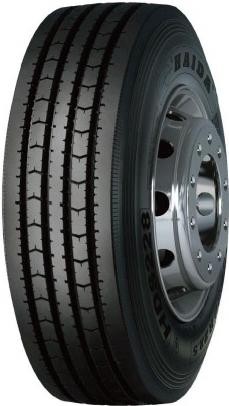
Ultimate Guide to TBR Tires: Heavy-Duty Performance for Long-Haul Trucks
The demand for durability in heavy logistics is met by commercial truck and bus radial tires. In our
Read More: Dive deep into radial truck tire construction and tread life optimization.
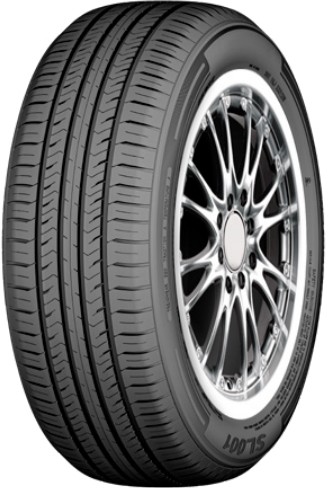
PCR Tires vs. TBR Tires: Key Differences Every Global Importer Must Know
Understanding vehicle application boundaries is vital for inventory planning. Our analysis on
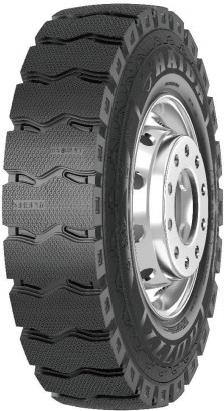
OTR Tires Complete Specifications: Navigating Mining and Construction Demands
Extreme terrain requires specialized industrial engineering. The
Read More: Explore heavy-duty off-road specifications for construction and mining machinery.
2. Product Comparison & Technical Specifications
To assist procurement engineers and fleet managers in making rapid evaluations, the following matrix outlines the core specifications, primary applications, and load characteristics across our major commercial tire categories:
3. Manufacturing Excellence and Design Optimization
Quality begins on the production floor. Knowing how tires are engineered helps buyers evaluate manufacturing partners effectively.
Advanced Manufacturing Processes of PCR and TBR Tires in Modern Factories
State-of-the-art production facilities utilize automation to guarantee consistency. The
Read More: Discover how high-tech factory automation ensures consistent tire safety and quality.
How to Choose the Right Commercial Tire Tread Patterns for Maximum Mileage
Tread design dictates grip, water evacuation, and fuel efficiency. In
Understanding Tire Load Index and Speed Rating for TBR and PCR Applications
Safety and compliance depend on accurate ratings. Our guide on
Read More: Master international load index and speed rating charts for precise application matching.
4. Market Compliance, Seasonal Adaptations, and Sourcing Strategies
Navigating international trade requires strict adherence to legal standards and smart supply chain management.
Top Tire Quality & Safety Certifications: DOT, ECE, and ISO Explained for Buyers
Import compliance is non-negotiable for global distributors. The
Global Tire Sourcing Strategy: How to Import High-Quality Tires from China Safely
Streamlining supply chains directly impacts profit margins. Our comprehensive
Read More: Learn best practices for secure, cost-effective tire importation from direct manufacturers.
Winter vs. All-Season PCR Tires: Meeting Regional Climate Demand for Wholesalers
Climate variability dictates inventory requirements. The
Cost-Benefit Analysis: Why Investing in Premium OTR Tires Reduces Fleet Operating Costs
While initial capital outlay matters, total cost of ownership (TCO) dictates true value. Our
Read More: Evaluate long-term financial returns on premium industrial tire investments.
Conclusion & Call to Action (CTA)
Equipping your business or fleet with reliable, certified, and high-performance tires is the foundation of operational success. At Xinkunyutyre, we combine world-class manufacturing capabilities with dedicated global export support to fulfill your wholesale requirements efficiently.
Ready to elevate your inventory or upgrade your fleet performance?
Frequently Asked Questions (FAQ)
What is the typical Minimum Order Quantity (MOQ) for wholesale tire orders?
A: For direct factory container shipments (FCL), our standard MOQ is typically one 20-foot container (20GP), which can be mixed with various sizes of TBR, PCR, or OTR tires depending on your regional distribution needs.
How do you optimize container loading to minimize international shipping costs?
A: Our logistics team utilizes advanced interlocking and nesting techniques to maximize the volume capacity of 40HQ and 20GP containers, ensuring you achieve the lowest possible freight cost per tire.
What warranty and quality assurance policies do you provide for imported tires?
A: All our manufactured tires are backed by a comprehensive structural warranty against manufacturing defects, complying fully with international quality benchmarks such as DOT, ECE, and ISO standards. Detailed warranty documentation is provided with every shipment.
Chat Online